




New Policy Brief Highlights Role of Vaccines in Combating AMR in Nepal
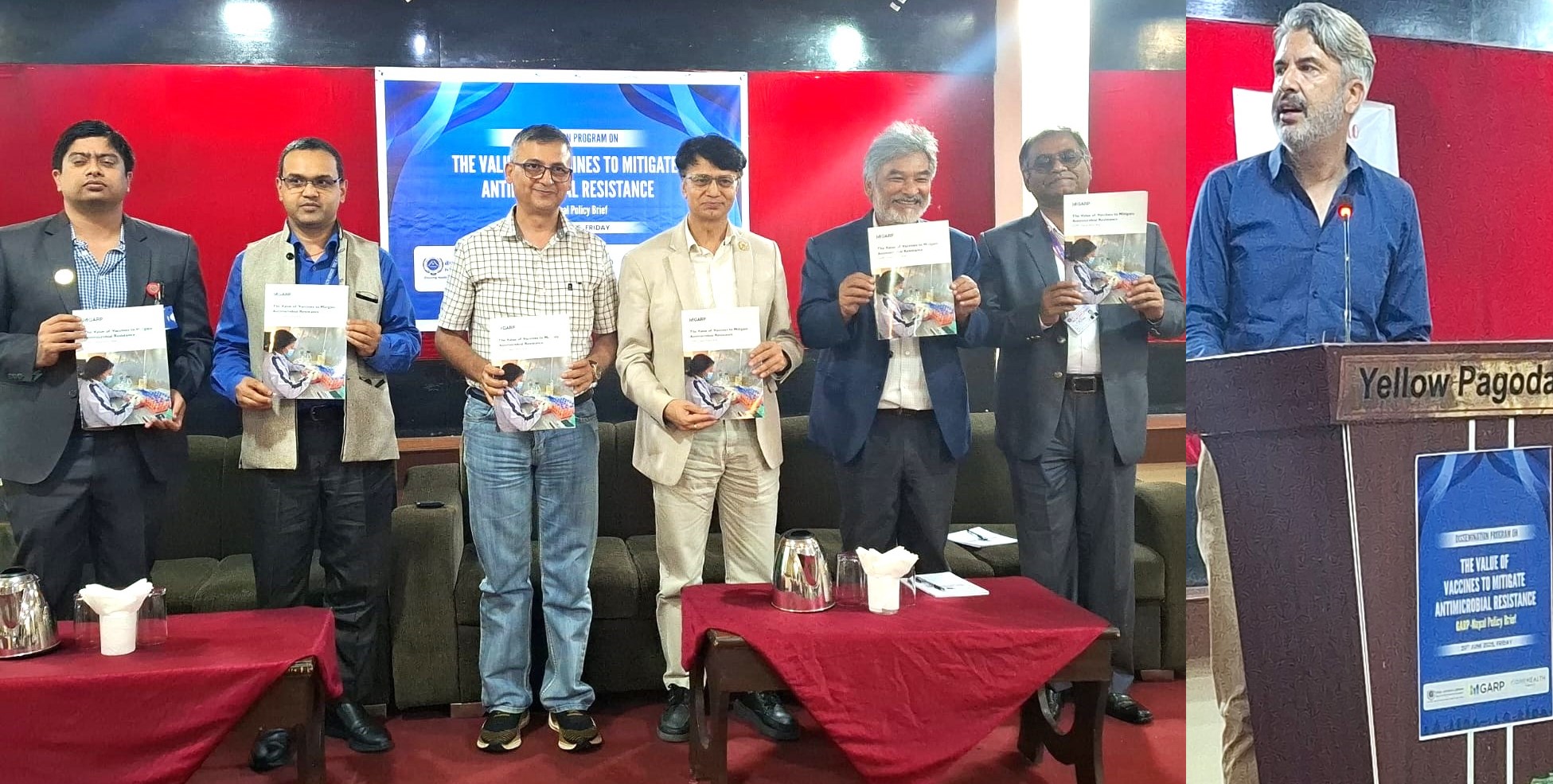
Kathmandu. A new policy brief launched by the Global Antibiotic Resistance Partnership (GARP) Nepal, in collaboration with the Nepal Public Health Foundation (NPHF) and The One Health Trust, underscores the vital role of vaccination in tackling the rising threat of Antimicrobial Resistance (AMR) in Nepal.


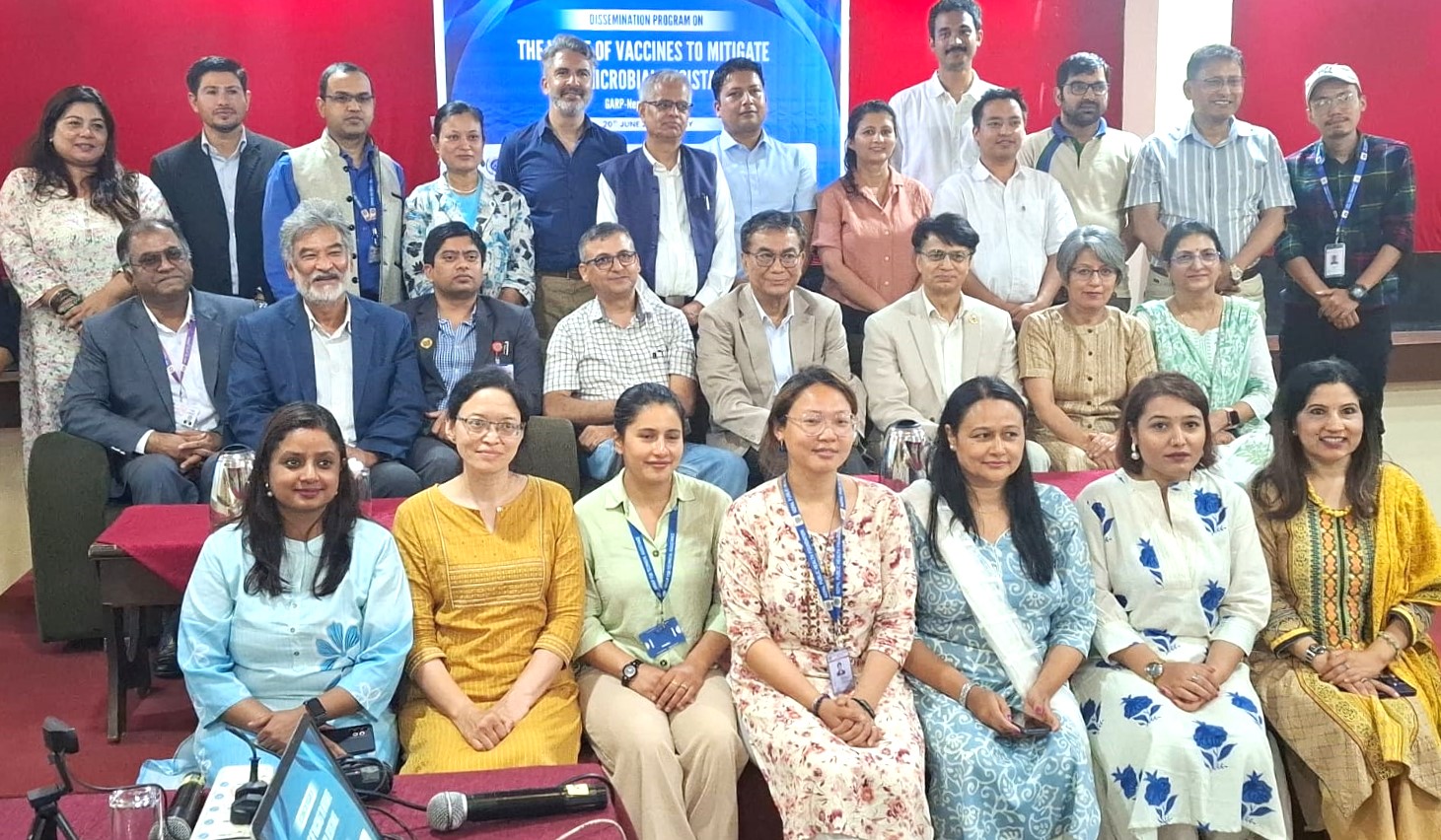
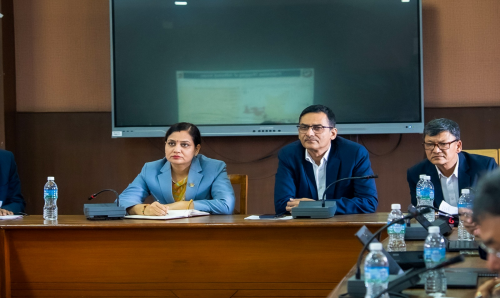
Titled “The Value of Vaccines to Mitigate Antimicrobial Resistance”, the document highlights how vaccines reduce infections and antibiotic use—both essential to slowing AMR. Senior officials from the Department of Drug Administration, Family Welfare Division, National Public Health Laboratory, Bir Hospital, and the National Vaccine Production Laboratory attended the launch, reinforcing multisectoral support.
In Nepal, AMR contributed to an estimated 19,579 deaths in 2021. Overuse and misuse of antibiotics remain the primary causes. However, vaccines offer direct protection against infections and help reduce disease transmission through herd immunity, lowering antibiotic demand.
Nepal’s National Immunization Programme (NIP) has demonstrated success with typhoid conjugate vaccines (TCVs) and pneumococcal conjugate vaccines (PCVs), which have helped reduce drug-resistant typhoid, pneumonia, and meningitis. The NIP also includes vaccines for tuberculosis, hepatitis B, influenza, polio, measles, and rubella, with plans to introduce the HPV vaccine. Studies suggest over 50% of antibiotic-treated respiratory and diarrheal cases could be prevented by vaccines like PCV and the rotavirus vaccine.
Aligned with the National Action Plan on AMR, Nepal takes a One Health approach, integrating human, animal, and environmental health strategies. Still, challenges persist—such as limited awareness among policymakers, access gaps in remote areas, and a lack of cost-effectiveness data.
The brief recommends a multi-pronged approach to strengthen Nepal’s response to AMR. It emphasizes the need to enhance surveillance systems for both antimicrobial resistance and vaccine coverage. Ensuring equitable access to vaccines across all regions is also a key priority. Furthermore, the brief calls for greater promotion of vaccines as a strategic tool in AMR control. It highlights the importance of expanding vaccination in livestock to address zoonotic disease transmission and urges stronger global collaboration, along with supportive policy reforms, to sustain long-term progress.
Experts from various institutions reaffirmed their commitment to addressing AMR through coordinated efforts. Vaccination, they emphasized, must be central to Nepal’s long-term AMR strategy.




..jpeg)


प्रतिकृया दिनुहोस